What Should You Do When Your Body Feels Inflamed, Tight, and Exhausted?
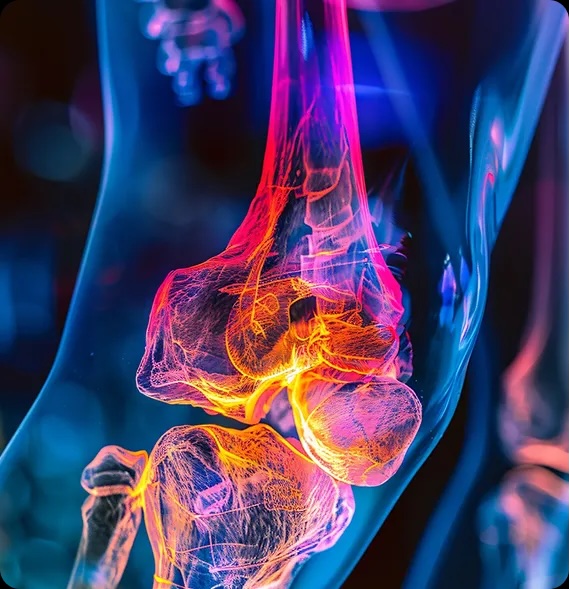
Some days, your body does not feel injured — but it also does not feel right.
You feel tight. Heavy. Sore. Inflamed. Low-energy. Maybe your back feels compressed from sitting all day. Maybe your hips feel locked up. Maybe you trained hard and your body is not recovering the way it used to. Or maybe you are simply exhausted from stress, travel, work, poor sleep, and everyday life.
When that happens, the question is not always:
“What is wrong with me?”
Sometimes the better question is:
“What does my body need right now?”
At Ozar Wellness House, we help patients answer that question with a personalized approach to movement, recovery, and long-term wellness. We do not believe in one-size-fits-all care. Every body is different, and every patient comes in with a different story, different stressors, different movement patterns, and different goals.
That is why OWH brings together physical therapy, personal training, red light therapy, massage, acupuncture, chiropractic care, and advanced recovery tools under one roof.
Because when your body feels inflamed, tight, and exhausted, you may need more than rest.
You may need someone to listen, understand what is happening, and help you build the right plan forward.
First: Listen to Your Body
It is normal to feel sore, stiff, or tired sometimes. Muscle soreness and tightness can happen after exercise, long workdays, stress, travel, overuse, or repetitive movement.
But when the same discomfort keeps coming back, your body may be trying to tell you something.
Maybe you are moving differently because of an old injury.
Maybe one area of your body is working too hard because another area is weak.
Maybe you are under-recovered.
Maybe you are stressed, inflamed, or not supporting your body with enough strength, mobility, sleep, hydration, or nutrition.
At OWH, our goal is not just to ask, “Where does it hurt?”
We want to understand:
How are you moving?
When did this start?
What keeps coming back?
What feels weak, tight, or unstable?
What does your lifestyle look like?
What does your body need next?
For everyday tightness, soreness, fatigue, and recovery needs, OWH can help you figure out where to start.
When Your Body Feels Tight, It May Need Better Movement
You may feel it in your lower back, neck, shoulders, hips, hamstrings, knees, or upper back. Sometimes the tightness comes from training hard. Sometimes it comes from sitting too much. Sometimes it comes from an old injury, poor posture, weakness, or movement patterns that have built up over time.
Many people try to stretch or massage the same area over and over again, but the tightness keeps returning.
That is usually a sign that the body may need more than temporary relief.
At OWH, we want to help patients understand why the tightness is happening. A massage can help release tension. Chiropractic care can help with restriction and mobility. Acupuncture can help calm the body and support relaxation. But if the body keeps moving the same way, the same tightness may return.
That is why guided movement matters.
Through physical therapy and personal training, we help patients improve strength, mobility, balance, posture, and movement quality. The goal is not only to help you feel better in the moment, but to help your body become stronger and more resilient over time.
If your body feels tight, you may not just need to stretch. You may need to move better.
Physical therapy and personal training are two of the most important parts of the OWH approach because they help patients move from short-term relief to long-term improvement.
Physical therapy helps identify what may be contributing to pain, tightness, weakness, or movement limitations. Maybe your hips feel tight because your glutes are not doing enough work. Maybe your lower back feels stiff because your core needs more support. Maybe your shoulder discomfort is connected to posture, mobility, or strength somewhere else in the body.
Personal training helps build on that foundation.
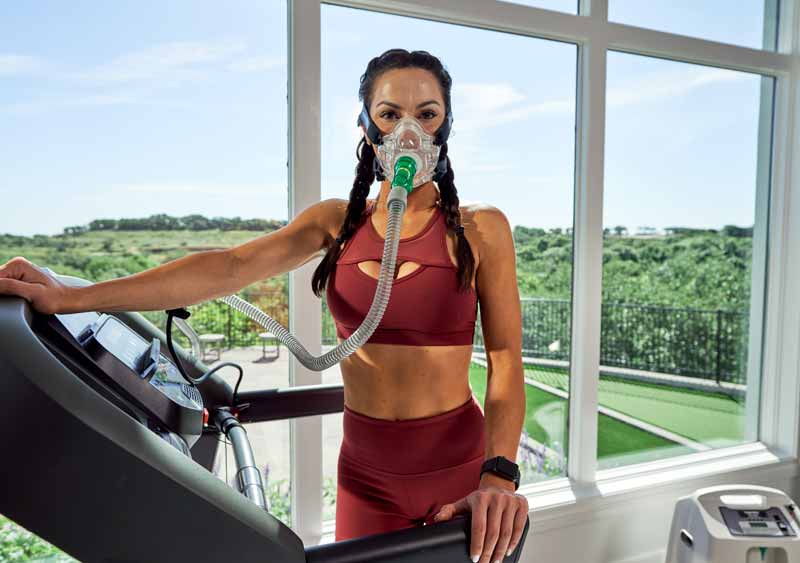
Once the body is ready to move, personal training can help improve strength, stability, mobility, balance, and confidence. At OWH, personal training is not about pushing harder just for the sake of intensity. It is about building your body with intention and helping you move better in everyday life, sport, and training.
Together, they can be especially helpful if you are:
- Recovering from an injury
- Returning to exercise after time off
- Dealing with recurring pain or tightness
- Feeling weak, unstable, or out of balance
- Trying to build strength safely
- Training for a sport, event, or active lifestyle
- Sitting for long hours and losing mobility
- Looking for a more personalized approach than a regular gym
At OWH, we want patients to feel supported, not rushed.
When Your Body Feels Inflamed, It May Need Recovery Support
Inflammation-style discomfort can feel different from regular tightness.
You may feel sore, achy, sensitive, heavy, or slow to recover. Your muscles may feel beat up. Your joints may feel irritated. You may feel like your body is working harder than normal just to feel okay.
This is where red light therapy can become one of the most valuable recovery tools at OWH.
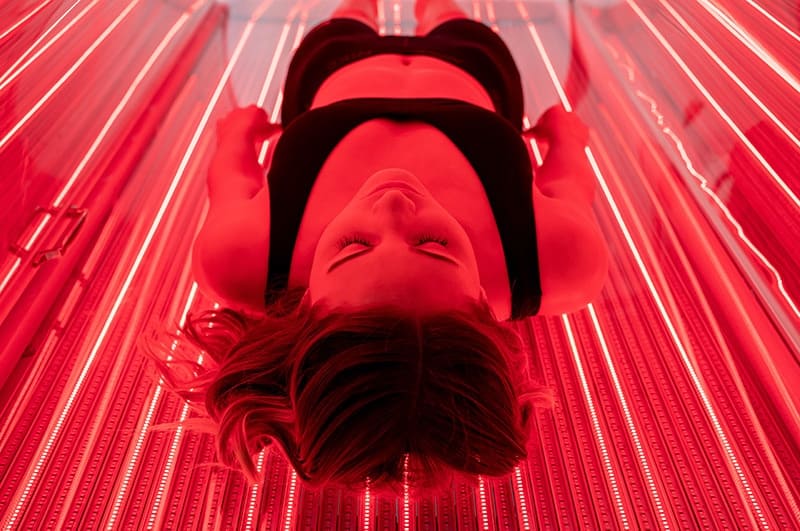
At OWH, our advanced Red Light Therapy bed is a low-impact, relaxing option for patients seeking to support recovery without adding additional physical stress to the body.
It can be especially helpful when someone says:
“My body feels beat up.”
“I feel inflamed.”
“I’m sore all the time.”
“I need recovery, but I do not want anything intense today.”
“I trained hard and need help bouncing back.”
One of the best things about red light therapy is that it requires no effort from the patient. You do not have to lift, stretch, sweat, or perform. You simply lie down and allow your body to receive the treatment.
It can also pair well with physical therapy, personal training, massage, chiropractic care, and acupuncture. For example, a patient may work on movement and strength with a physical therapist or personal trainer, then use red light therapy afterward as part of their recovery routine.
Think of it as a recovery amplifier.
If you are working on strength, movement, and mobility, red light therapy can be part of recovery support to help your body feel better between sessions.
This is where OWH’s approach becomes different.
We are not just helping you train.
We are not just helping you recover.
We are helping you do both more efficiently.
Where Massage, Acupuncture, and Chiropractic Fit In
While physical therapy, personal training, and red light therapy are major parts of the OWH experience, hands-on care also plays an important role.
Massage Therapy
Massage can be a great option when your body feels tense, sore, overloaded, or stressed.
At OWH, massage can be helpful when you feel like your muscles need direct attention. It can also pair well with red light therapy, physical therapy, or personal training.
For example, if your muscles are tight and overworked, massage may help release tension while physical therapy or personal training helps address the movement patterns that may be causing the tightness in the first place.
Acupuncture
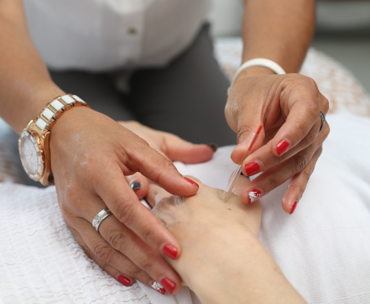
Acupuncture can be a good option when your body feels tense, stressed, irritated, or stuck in a cycle of discomfort.
Some patients feel like their tightness is not only muscular — it feels deeper. They may feel stressed, inflamed, sensitive, or physically overwhelmed. Acupuncture can be a helpful part of a recovery plan when the body needs calming, balance, and support.
At OWH, acupuncture can work well alongside massage, red light therapy, physical therapy, or chiropractic care.
Chiropractic Care
Chiropractic care can be helpful when your body feels restricted, stiff, compressed, or limited in movement.
If you feel stuck in your neck, back, hips, or shoulders, chiropractic care may be a useful place to start. It can also support a bigger recovery plan when combined with physical therapy, personal training, and red light therapy.
At OWH, chiropractic care is not separate from the bigger picture. It can be one part of a more complete plan to help your body move and feel better.
The Best Approach Is Usually a Combination
When your body feels inflamed, tight, and exhausted, one service may help — but the right combination may help more.
That is one of the biggest advantages of OWH. You do not have to go to one place for physical therapy, another for training, another for massage, and another for recovery tools. At OWH, these services work together under the same roof.
Recovery Also Starts With What You Put Into Your Body
Recovery does not only happen during a treatment session.
It also happens through your daily habits: how you sleep, hydrate, manage stress, move, and nourish your body.
One of the simplest ways to support your body is to focus on real, nutrient-dense foods and reduce ultra-processed foods when possible.
When your body feels inflamed, tight, or exhausted, it may be a sign that your system is under stress. Prioritizing whole foods such as lean proteins, vegetables, fruits, healthy fats, complex carbohydrates, and plenty of water can help support energy, muscle recovery, and overall wellness.
On the other hand, eating too many ultra-processed foods can leave you feeling sluggish, bloated, low on energy, and less recovered.
This does not mean you have to eat perfectly.
Recovery is not about perfection. It is about giving your body better tools to repair, rebuild, and perform.
At OWH, we believe recovery is a full-body approach. What you do in the gym, what you do in treatment, how you sleep, how you manage stress, and how you nourish your body all work together.
The goal is not just to feel better after one session.
The goal is to build a lifestyle that helps your body move better, recover better, and feel better over the long term.
The OWH Difference
At OWH we believe care should feel personal.
Your body is not the same as anyone else’s. Your injury history, training style, stress level, posture, mobility, lifestyle, and goals all matter.
That is why we offer a combination of physical therapy, personal training, red light therapy, massage, acupuncture, chiropractic care, and advanced recovery tools in one place.
Some patients come to us because they are recovering from an injury.
Some come because they feel tight and inflamed.
Some come because they want to train smarter.
Some come because they are tired of quick fixes.
Some come because they want to feel strong, mobile, and healthy again.
Whatever the starting point is, the goal is the same:
To help your body move better, recover better, and feel better.
At OWH, we do not want patients to feel like they are guessing what to book. We want to guide them, support them, and help them understand what their body may need next.
That is how we help patients move from short-term relief to long-term improvement.
.webp)


.jpg)

.jpg)